Urban Policy Insights
Journal of Urban Development & Equity
Authoritative research, expert analysis, and real-world case studies driving accessible, sustainable, and equitable cities across India.

Key Features of Our Journal
Advancing Urban Policy Through Rigorous Analysis and Collaboration
Discover how the cIUCC Journal stands at the forefront of urban policy, offering in-depth articles, evidence-based research, and actionable thought leadership. Our features are designed to empower policymakers and sponsors with the knowledge and tools necessary to foster inclusive, accessible, and sustainable cities.

Expert Contributions
Our journal features articles and commentary from leading urban planners, policy experts, and thought leaders to ensure credible, up-to-date perspectives.
✓ Access to leading voices in urban governance
✓ Diverse viewpoints on critical urban issues
✓ Expert-driven recommendations for action
Evidence-Driven Research
We prioritize rigorous, data-backed research to inform impactful urban policy decisions and promote sustainable city development.
✓ Reliable, actionable insights for policymakers
✓ Research grounded in the latest data
✓ Support for evidence-based urban interventions

Actionable Case Studies
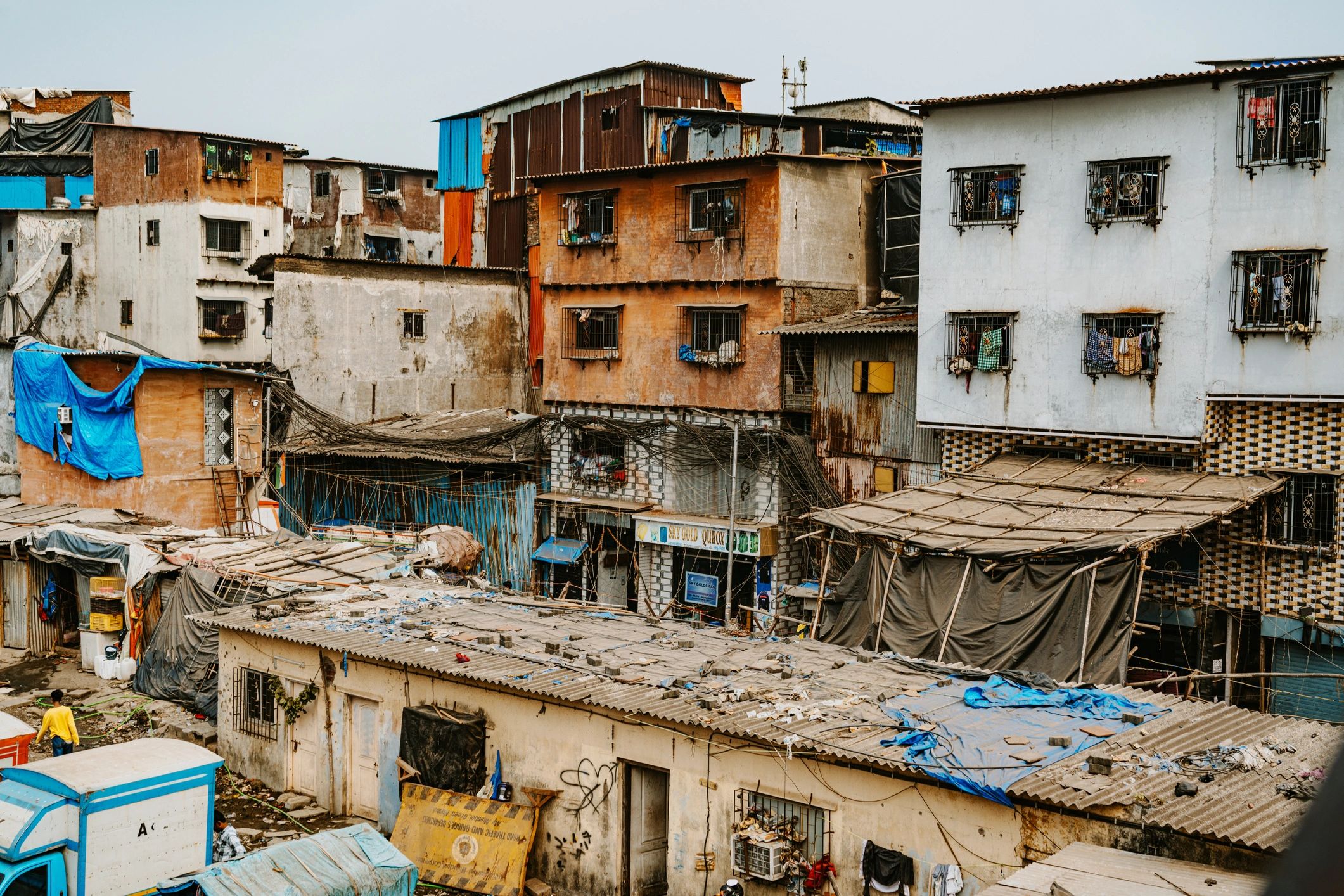
Our case studies highlight successful urban strategies, offering practical lessons and scalable solutions to common challenges.
✓ Learn from proven urban development models
✓ Adapt best practices to your context
✓ Bridge policy with practical application
Featured Portfolio
Explore a curated selection of our latest articles, research papers, and case studies that advance inclusive, accessible, and sustainable urban development. Each work highlights innovative strategies, real-world impacts, and collaborative governance in Indian cities.

Urban Accessibility in Practice
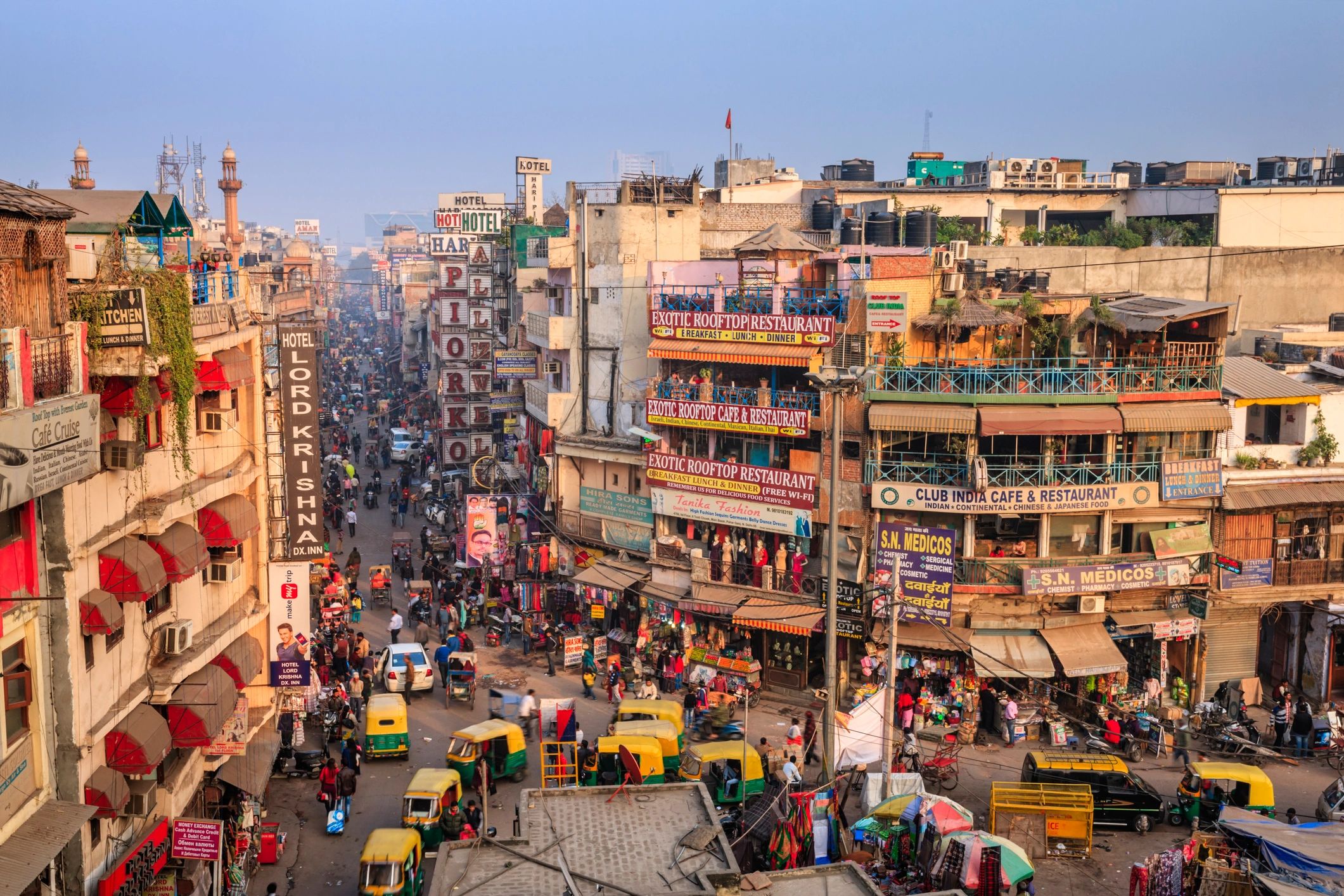
Building City Resilience: Insights from Policy Dialogues
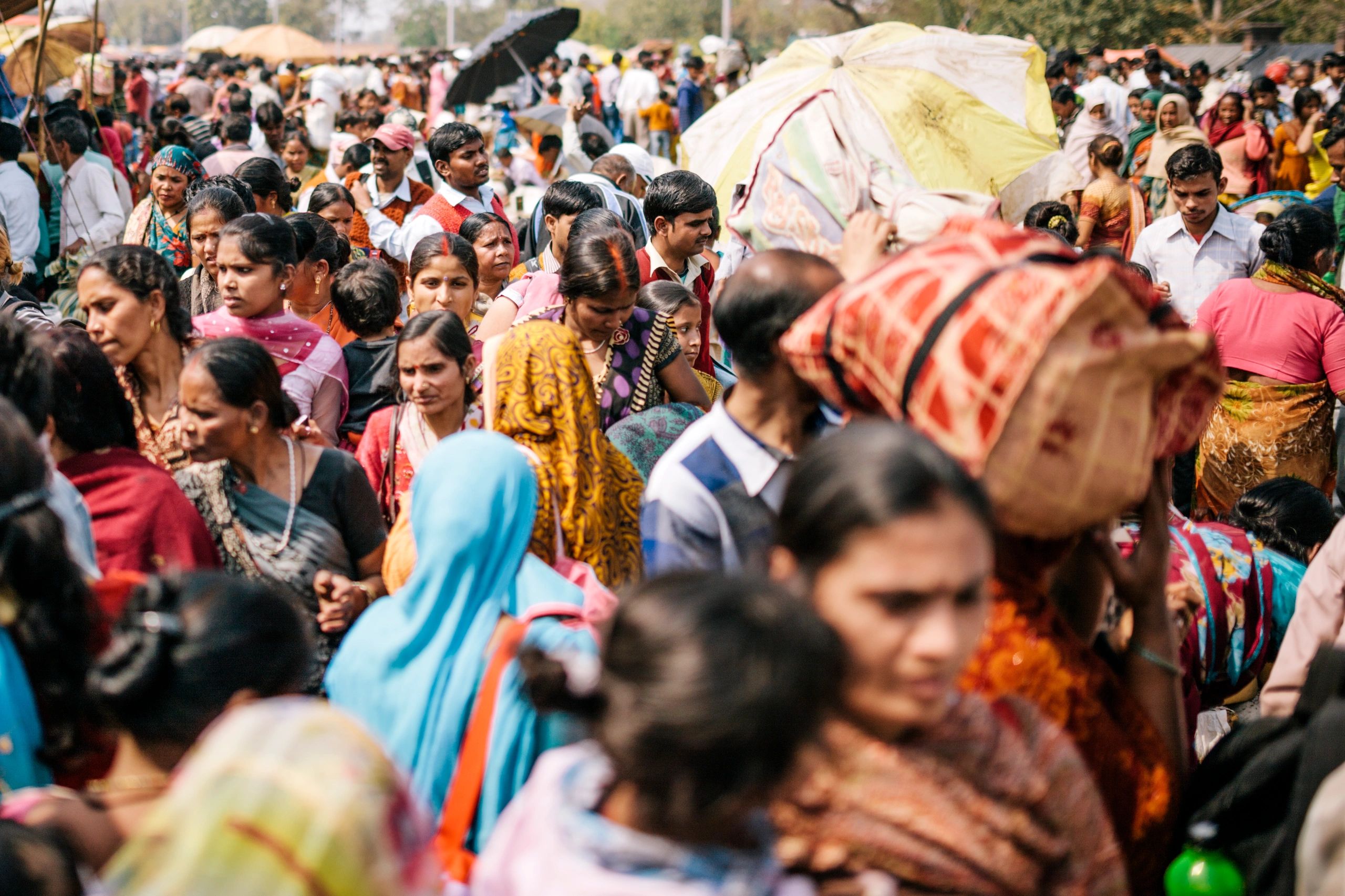
Case Study: Inclusive Housing Initiatives

Research Highlight: Advancing Urban Equity

Thought Leadership: Civic Engagement for Change

Collaborative Urban Planning in Action
Editorial Commitment to Urban Transformation
The cIUCC Journal stands at the forefront of shaping the discourse on urban policy, civic engagement, and social equity in India. Through in-depth analysis, research, and thought leadership, we aim to provide policymakers and sponsors with actionable insights that foster inclusive, accessible, and resilient cities.
Our editorial mission is to advance evidence-based dialogue on critical issues such as urban planning, governance, accessibility, and stakeholder collaboration. By amplifying diverse voices and pioneering case studies, we support informed decision-making and drive progress toward sustainable, equitable urban futures.
Urban Walkability
Indian urbanism faces a lethal paradox. While walking constitutes 25-35% of all trips, rising to nearly 90% for women when linked with public transit, our infrastructure remains aggressively hostile to the pedestrian. This mismatch has transformed city streets into conflict zones. Data from the Ministry of Road Transport and Highways (MoRTH) reveals a grim reality: while urban roads comprise a mere 8.5% of the national network, they account for a staggering 31.5% of total fatalities. In 2023 alone, pedestrian deaths surged by 7.3%, exposing a systemic failure to protect the most vulnerable road users.
This crisis is compounded by a severe data deficit. While official records attribute approximately 20% of fatalities to pedestrians, rigorous independent research by IIT Delhi suggests the true figure lies between 33% and 37%. This discrepancy represents thousands of unacknowledged tragedies and blinds policymakers, stalling the implementation of the National Urban Transport Policy (NUTP). Although the NUTP explicitly prioritizes “moving people, not vehicles,” its execution is continually thwarted by jurisdictional fragmentation and an outdated engineering focus on vehicular speed.
Yet, the solution offers profound economic dividends. The pedestrianization of Chennai’s Pondy Bazaar proves that prioritizing walkers is profitable. Post-redesign, local shop revenues increased by 15-20%, proving that “cars don’t shop, people do”. Furthermore, the project induced a significant modal shift, preventing thousands of tons of carbon emissions annually. In contrast, the regression of Delhi’s Karol Bagh pedestrian zone highlights that without constant enforcement, urban order decays into entropy. To secure a sustainable future, India must recognize that walkability is not merely an amenity but a fundamental economic imperative and a non-negotiable prerequisite for a safe, civilized urban democracy.
Social Entropy
Social Entropy, a concept adapted from thermodynamics by sociologist Kenneth Bailey, provides a rigorous framework for analyzing India’s tumultuous modernization. It measures the level of disorder or uncertainty within a system’s structure, specifically determining how a population is functionally distributed across space and social roles. India is currently undergoing a violent phase transition: moving from the “low entropy” rigidity of the caste system to the “high entropy” dynamism of a modern urban democracy.
Historically, the caste system functioned as a brutal mechanism to minimize social entropy. By pre-assigning occupation, status, and residence, it effectively removed uncertainty from the social organization, albeit at the cost of human liberty and equity. Modern urbanization is dismantling this static order, yet this transition often manifests physically as chaotic urban stretch. Recent studies utilizing Shannon’s Entropy metrics on cities like Guwahati reveal a consistent rise in entropy values over the last two decades. This indicates inefficient, dispersed growth patterns that significantly drain economic resources, increase utility costs, and complicate essential governance.
This spatial disorder mirrors the sociological friction of a diverse workforce. In Bailey’s framework, a system with high diversity (like India) is inherently a high-entropy state. Maintaining “Unity in Diversity” is not a passive condition but an active challenge. It requires immense governance energy encompassing inclusive policies, robust institutions, and equitable resource distribution to prevent the system from devolving into fragmentation. As the data suggests, high social entropy without corresponding organizational capacity leads to destitution and unrest, visible in rising unemployment and social volatility. The challenge for the Indian republic is to manage this high-energy transition, ensuring that the necessary dissolution of old hierarchies does not result in systemic collapse, but rather reassembles into a more equitable, dynamic democratic order.